I have actually invested two decades in injury movie theaters, seeing the clock fight against blood loss and brain swelling. A lot of the worst injuries I treat do not originate from significant high-speed goes after, they originate from average commutes, brief school runs, fast tasks after job. Road safety is not a motto to me, it is the difference in between a household going home with each other and a family being in a waiting space with the air punched out of their lungs. Prevention lives upstream of the operating area, in the choices we make before an essential kip down an ignition or a foot hinges on a pedal.
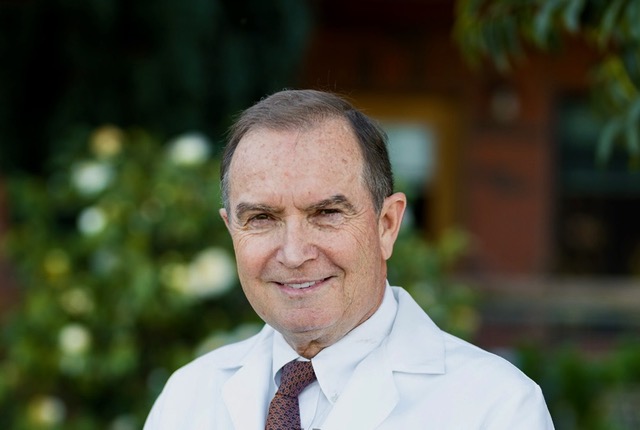
This piece is sensible, collected from instances that still wake me during the night and from the peaceful triumphes that never ever make the information. I write as a cosmetic surgeon traumatólogo that has actually opened upper bodies at the visual and lowered fractures under the rattle of helicopter blades. These are the patterns I depend on and the habits that save lives.
Why little options matter more than luck
In trauma, we find out to separate randomness from danger. A falling tree is luck. A rollover without a seat belt is danger. The very first can be unusual and inescapable, the 2nd is common and avoidable. Roadway injuries have a vicious math: kinetic power shifts to human cells currently of effect, and the body is not developed to dissipate that lots without damages. Bones ruin along predictable lines, body organs tear from their moorings, vessels fracture quietly. Basic modifications that lower rate or disperse pressure make a quantifiable distinction. A 10 percent decrease in ordinary speed can lower fatal crashes even more than people expect since power ranges with the square of speed. A small rate trim can reduce the injury concern dramatically.
It is likewise worth stating aloud that injury belongs to all of us, not just to chauffeurs. I deal with pedestrians, bikers, e-scooter riders, travelers, children in baby strollers. Threat touches any person that shares a roadway or pathway. The very same concepts of anticipation, friction, and presence use across that spectrum.
The anatomy of preventable injury
When we discuss prevention, it assists to recognize what we are attempting to stop. Three injury patterns dominate my operating listing after road occurrences: head injuries, chest and stomach injury, and complex fractures of the extremities.
Head injuries are the most ruthless. A helmet or an appropriately placed headrest can be the distinction in between a light trauma and a subdural hematoma that takes speech or personality for years. The skull is strong, yet insufficient to win against asphalt at 25 miles per hour. I have seen bicyclists with destroyed clavicles stand, call their partner, and go home after I set the bone. I have also seen someone topple at strolling rate on an e-scooter, strike the curb without a safety helmet, and never wake up.
Chest and abdominal injury usually come from deceleration forces rather than direct effect. The ribcage breaks, a spleen rips, the aorta stretches versus its accessories. A seat belt redistributes these forces across stronger frameworks, and modern air bags do much more. Without them, the steering wheel or dashboard ends up being a blunt tool. When someone tells me they do not like the contusion a belt can leave, I show them pictures of lacerated livers and ask if a contusion would certainly have served instead.
Complex fractures, specifically in the pelvis or long bones, can bleed more than people understand. A thigh can hold more than a litre of blood in its surrounding cells after a break. Pelvic fractures leak right into deep, hidden spaces that trigger the skin to look normal while the high blood pressure falls down. Stopping ejection from a car and decreasing rotational forces on a bike are key. Ankle joints take a beating when a driver presses versus a brake during a collision, which is one factor I respect footwear and pedal layout greater than most.
What I see frequently on the table
If I provide the five most typical avoidable patterns that show up on my table, they look like this:
- Head injury from no safety helmet on a bike, bike, or e-scooter. Chest and stomach trauma in an unbelted pole position guest hitting the dashboard. Femur or pelvis fractures from side influences at metropolitan intersections. Tibia and ankle joint fractures from riders whose feet get caught under bikes during a fall. Wrist and forearm fractures from bikers that "put out a hand" during an over-the-handlebars fall.
Each of these has a common denominator: the energy transfer was either greater than it needed to be, or the body's protective equipment fell short to shield the vulnerable components. The majority of can be reduced with equipment or method. All can be aggravated by speed, distraction, or alcohol.
The quiet epidemic of low-speed trauma
Many chauffeurs presume that metropolitan rates are secure. I recognize the feeling. At 30 to 40 kilometers per hour, whatever looks convenient. The street recognizes, the light is about to transform, the cars and truck feels like an extension of your body. Yet I admit much too many pedestrians and bicyclists hit at these speeds. The human breast can normally endure a shove. It can not stop a bumper with a ton of moving mass behind it. Elderly bones splinter with less pressure. Kids climb unexpectedly into the street. A phone in a chauffeur's hand, even for a minute, creates a gap in attention that swallows a crosswalk.
I bring in my head a series of faces and end results that track very closely with speed and diversion. I have one individual that made it through since the chauffeur that struck her was going 25, not 45. She still required a plate in her pelvis, however she is walking with her grand son now. Another individual, same age, exact same road, various day, very same angle of influence, did not survive a head injury at the higher speed. These are not abstractions to me, they are near duplicates with a solitary variable changed.
Alcohol, tiredness, and the misconception of control
If an individual admits to drinking, I pay attention for the series of the night. The a couple of beverages with food, the decision to drive a short range, the unforeseen stop or curve, the late reaction. Alcohol dulls judgment prior to it slow hands and feet, which means people select inadequately before they feel damaged. Tiredness is similar. I have actually seen professional motorists who recognized their route completely, drift into a lane at 4 a.m., and end up wrapped in their safety belt with rib fractures they can not discuss. Neither of these states looks dramatic at the start. They are peaceful, polite saboteurs of attention.
From an avoidance perspective, I suggest rituals, not simply regulations. If you plan to drink, leave the tricks in the house. Do not bring them. If you burn the midnight oil or drive at dawn, develop a rest threshold that activates a trip share or a nap prior to the journey. Make the border non-negotiable. In trauma, unclear policies are the very first to break under pressure.
Children in automobiles: restraint is not optional
Pediatric injury has its very own set of problems, and the majority of are preventable. Youngster restriction systems are engineering victories when used correctly. I have actually opened an automobile door after a rollover and located a toddler awake, noisy, and entirely intact inside a rear-facing seat. The parent was upside-down, put on hold in their belt with three broken ribs. The distinction was proper setup and restraint.
Two patterns maintain showing up. Initially, a child moved to a forward-facing placement too early or to a car seat prior to they got to the correct height and weight. Second, a well-meaning adult removes the jacket on a winter months day and loosens the bands later, or worse, maintains the puffy coat on and tightens up over it, which creates slack that ends up being a void currently of impact. The correct fit sticks around at the shoulder and hips, without any slack you can pinch. The seat should not rock greater than a number of centimeters when you move the base. Invest the additional ten mins at a qualified fitting station if your area has them. It is tedious and absolutely worth it.
Motorcycles and scooters: technique and armor
I trip a bike on weekends. That admission gains me searches in the medical facility lunchroom, but I use full shield, and I ride as if every motorist has not seen me. On two wheels, road safety and security comes to be an active sporting activity. You take care of presence, getaway paths, surface problems, and your own self-control. If I could make 3 routines global among riders, they would certainly be these: keep a two-finger cover on the brake at urban rates, scan for left-turning cars at intersections, and practice emergency situation braking and swerves in a parking lot up until it feels automatic.
Protective equipment matters. A headgear with an appropriate fit transforms head injury in an accident. I likewise appreciate abrasion resistance at the elbows, shoulders, hips, and knees. Many fractures I see are open cracks since clothing shredded on asphalt, turning a closed get into an infected injury. Handwear covers are not a fashion choice on a motorcycle, they protect the function of the hand you utilize to function, prepare, play, and hold a youngster's hand.
E-scooters deserve their very own paragraph. Their small wheels and high platform make them twitchy over potholes and tracks. Braking tons the front wheel, which can fold if your weight sits onward. I advise a reduced, focused position and a safety helmet. In the evening, additional lights and reflective strips increase conspicuity, which counts more than design. One of the most usual injuries in my log from mobility scooters are wrist fractures and head injuries. The fix is a headgear and a riding method that keeps elbow joints tucked and weight back when braking.
Pedestrians: assume invisibility, case space
Pedestrians typically blame themselves, which frustrates me. Roads are built for cars first in the majority of cities, and walkers navigate a system that treats them as obstacles, not customers. Still, there are practices that boost survival. Make eye contact with chauffeurs before actioning in front of a cars and truck that has actually slowed down but not stopped. Hold your line instead of darting backward if a car surprises you. The back-and-forth reluctance activates overcorrection from vehicle drivers and multiplies risk. In the evening, reflective accents on a bag or jacket boost your existence when driving far more than white garments alone.
I when dealt with an instructor that wore a tiny clip-on light during her dawn walks. A motorist later on informed authorities that the light caught his focus a block away, which changed his course and rate. That tiny item of equipment probably conserved her life when he misjudged the turn and ran broad. Individuals think reflectors are for rural roads. They function equally as well in busy cities.
Vehicles and maintenance: an uninteresting subject that makes a decision outcomes
I am not a technician, but I understand what put on tires resemble in an X-ray. They appear as bent axles and candid force injuries in rain. Tire step and press dictate hold in damp conditions. Bald tires transform brief stopping distances right into long, moving arcs that chew via crosswalks. I do not require to offer any person a brand name, only the concept that traction is the initial layer of safety and security, followed by an operating brake system and clear, brilliant lights.
Airbags and electronic stability control are not marketing fluff. They step in during moments of human error, which is everybody at some time. If you purchase a used auto, learn whether the air bags have actually ever before released and whether the substitutes are validated. Grey market parts can stop working. I have actually seen airbags that did not deploy because sensing units were misaligned after a cosmetic fixing. Choose feature over looks when you need to choose one at a repair service shop.
Weather, roadway surfaces, and the physics under your feet
Wet roadways award patience and penalize bravado. Oil increases to the surface area during the first minutes of rains, that makes intersections glossy. Painted lines and steel covers have much less friction than asphalt. I maintain a mental map of manhole covers on my commute because I have operated on the results of two-wheel slides over them. On a bike or motorbike, strategy repainted crossings and tracks at an appropriate angle if possible. Do not brake hard while leaned over. If you must, align first.
Ice adjustments every little thing, usually undetectably. Black ice at dawn looks like damp asphalt. If you can not see grains of sand or a matte surface when driving, treat it as suspect. If driving, use mild inputs. If walking, maintain your center of mass low and weight over the mid-foot, not the heel. It appears silly to go over gait in an article concerning roadway injury, yet we admit hip fractures every winter season from individuals that hurried without getting used to an icy sidewalk.
Distraction is not an individual stopping working, it is a layout trouble you can solve
Phones, infomercial systems, also friendly guests swipe attention. The mind does not truly multitask complicated tasks, it toggles. Toggling at 50 kilometers per hour implies relocating blind for a lots meters each time. As a cosmetic surgeon traumatólogo, the post-crash descriptions sound the same: I just looked down for a second, I did not see her, the kid came out of no place. None of that aids when a fracture line faces a joint or a brain swells against bone.
I suggest structure rubbing into diversion. Put the phone in the trunk or the rear if you have that impulse to examine it. Use do-not-disturb setups that auto-reply to phone calls and texts while you move. If you use navigating, established it before rolling and tolerate the error instead of fixing it while driving. The most effective system is the one that makes the distracted habits inconvenient.
What to do in the gold mins after a crash
I can not cover prevention without covering reaction. Sometimes you do everything right and events still line up against you. In those minutes, easy, calm actions lower injury. First, quit and take a breath. The body floodings with adrenaline, that makes injuries feel much less painful and ranges appear shorter or longer than they are. Examine for risks like approaching traffic, leaking fuel, or downed high-voltage line. If you are not in danger, avoid moving a person with neck or neck and back pain unless the scene is dangerous. Maintain their head with your hands and ask to remain still.
Bleeding control saves lives. Direct pressure with a cloth or your hand is typically enough for outside bleeds. If an arm or leg is hemorrhaging briskly and you have a tourniquet or can improvisate one with a large strap, place it high and tight above the injury. Note the time. Do not loosen it. It is far better to exaggerate than to underdo in the road. For breast wounds that bubble or whistle, cover them with a gloved hand or an item of plastic taped on three sides to let air out however not in. That technique acquires mins for paramedics to arrive. Prevent giving liquids or food. Reassure the hurt individual, keep them cozy, and direct website traffic away if you have actually help.
Professional behaviors that equate to everyday life
In the operating room we rely upon lists, not because we lack memory, yet because anxiety removes information. You can https://reidtuns874.almoheet-travel.com/occupational-trauma-a-traumatologist-s-protection-plan utilize the exact same technique for driving, riding, or strolling. Prior to you triggered, glance at three points: your very own state, the atmosphere, and the tools. Ask on your own whether you look out, whether conditions will alter, and whether your belt, headgear, lights, or shoes are in order. It takes less than twenty secs and readjusts your threat position without drama.
I additionally borrow the After Action Review from trauma groups. When something scary takes place when traveling, also if absolutely nothing came of it, chat it through with on your own or a companion. What was intended to happen, what actually happened, what will certainly you do in a different way following time. That little loophole turns a near miss right into an adjustment in habit.
Urban design and the limitations of individual responsibility
I might fill up these web pages with private suggestions, yet I would certainly be failing you if I did not admit that framework shapes results. Separated bike lanes minimize serious bicyclist injuries in my city. Lower speed limitations on household roads associate with less pediatric admissions. Well-timed crosswalks sculpt breathing space for elders. The lack of these elements shows up as pelvic cracks and intracranial bleeds. Campaigning for is prevention. If your neighborhood defend traffic calming, much better lighting, or institution area cams, those adjustments do not simply really feel much safer, they create less surgeries.
I collaborate with city planners when invited, and I encourage colleagues to do the same. The intermediary in between a medical facility and a town can be as straightforward as a quarterly recap of accident locations based upon rescue dispatches. Data travels well throughout establishments, and it is tougher to suggest with a map populated in red.
A few myths I want we would retire
Speed limits are not suggestions, and being a proficient chauffeur does not give resistance from physics. I have actually operated a rally chauffeur who collapsed at a pedestrian rate because a slick spot and a parked automobile developed a box no reflexes could get away. Huge lorries do not protect pedestrians when they strike them. As a matter of fact, greater front ends increase the danger of breast and head effects rather than the legs, which indicates I see extra severe internal injuries from vehicle and SUV crashes with walkers. And please stop believing that brief journeys are risk-free without belts. Numerous crashes occur near home because that is where the miles are.
Another misconception holds that helmets urge dangerous actions. I have actually never seen a helmet trigger a collision. I have actually seen several headgears transform a terrible blow right into a tale told at a family members dinner. The profession is easy: no piece of gear makes you invincible, yet each layer shifts the probabilities in your favor.
When prevention meets culture
The finest safety techniques slide right into daily life. In some areas, helmet usage is socially odd. In others, reflective apparel signals warn that individuals do not intend to display. If you choose security gear that you find unsightly or bothersome, you will quit utilizing it. Choose things you will really wear. Invest in a coat that looks adequate for a cafe, a headgear that fits conveniently without pressure points, lights that recharge with the exact same cable as your phone. I discovered this from patients that returned after recouping, excited to ride once more, and who admitted that the equipment they acquired after the collision rested on a shelf because they disliked exactly how it felt.
We also require to resolve peer stress, specifically amongst teenagers. Graduated motorist licensing is not simply documentation, it limits nighttime driving and guests throughout the very first months when judgment and skill have actually not yet straightened. Moms and dads can enhance those policies with auto access connected to adherence. I have actually sutured too many brilliant futures unneeded marks because a team wanted to make a light prior to it transformed red.
The surgeon's shopping list for every traveler
I bring a psychological package for myself and recommend a variation of it to pals and clients. It is not complicated.
- A properly fitted seat belt or headgear made use of every single time, for each distance. Tires with adequate step and fix stress, examined monthly. A little first aid pouch with a tourniquet, gloves, and two gauze rolls. Lights and reflectors for night travel, also if you believe you will be home prior to dark. A routine to obstruct phone use while moving, such as do-not-disturb and physical separation.
This little collection covers a shocking amount of risk. It likewise has the advantage of being set-and-forget. You do not need to transform your safety and security strategy each morning.
A last tale and the point of all this
Years ago, I treated 2 crash sufferers in adjacent bays. Both were cyclists struck by turning autos within an hour of each other, on different roads. The very first wore a safety helmet, intense coat, and had a little blinking light on the seat post. He endured a damaged collarbone and a deep upper leg swelling. He grumbled concerning his ruined wheel. We covered him, established the bone, and discharged him with a sling and directions. The second wore dark garments and no helmet. He showed up with a dealt with and expanded student, the sign of a serious mind injury. The pictures informed the rest. His household gathered, and the area carried the heavy quiet of a life ready to bend in a long-term way.
These two lives were not divided by ethical worth or skill, but by friction and habits. The first rider had actually built layers right into his normal routine that settled when a motorist made a typical mistake. The 2nd had not. As a cosmetic surgeon traumatólogo, I can deal with bones and stop hemorrhaging. I can not rewind kinetic power or provide a brand-new skull. That job belongs to the minutes and hours prior to the accident, to the devices you pick, to the rate you hold, to the interest you reserve for the road and individuals who share it with you.
Road safety is not an abstract virtue. It is a method, like hand hygiene in an operating space or fastening a clamp twice prior to reducing. It favors prep work over blowing and patience over rush. The majority of what I recommend costs bit, except a stubbornness to keep doing the ideal thing when the road is clear and no one is enjoying. If you make that selection your default, you will certainly practically never ever meet someone like me under fluorescent lights at 3 a.m., and that, from where I stand, is the very best feasible outcome.